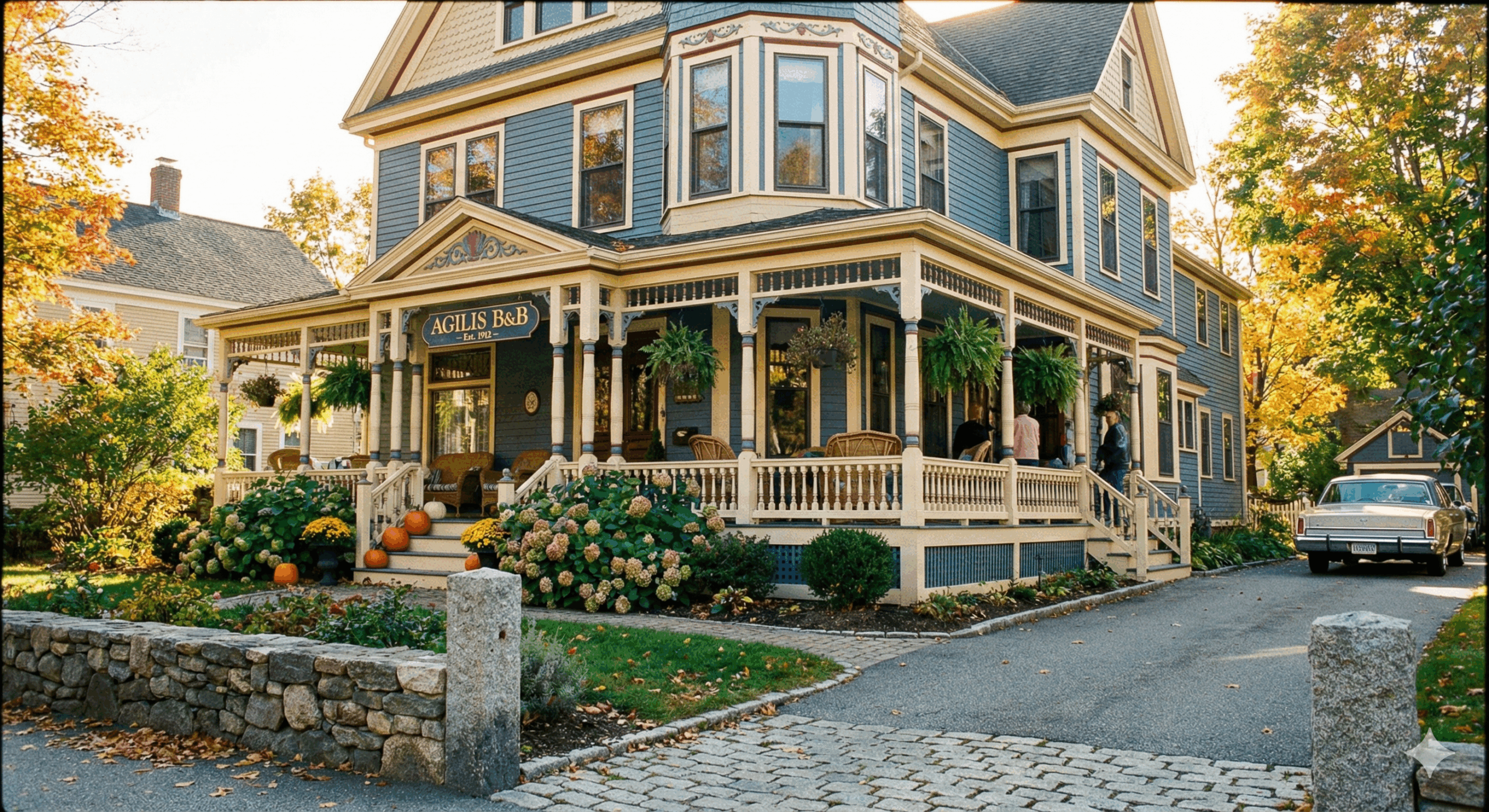
In an era of impersonal hotel chains, travellers are increasingly seeking unique, authentic experiences. Here is why investing in a B&B business is a strategic financial and lifestyle move:
- Diverse Income Streams: Unlike a standard rental, a B&B allows you to charge premium nightly rates. You can further boost revenue with add-ons like guided tours, event hosting, or selling local artisanal products.
- Real Estate Appreciation: While you run your business, your underlying asset (the property) is likely gaining value. Renovation improvements made for guests often increase the overall equity of your home.
- Tax Advantages: In many jurisdictions, operating a B&B from your home allows for significant tax deductions on utilities, repairs, and mortgage interest (always consult a tax professional).
- Lifestyle Flexibility: You are the boss. You can choose to operate seasonally, close for family holidays, or cater to specific types of guests that match your lifestyle.
- How to Start a Bed and Breakfast Business: Your Step-by-Step Guide
Turning a dream into a profitable reality requires careful planning. Follow this roadmap to launch your business successfully.
Step 1: Market Research & Feasibility
Before you buy sheets or bake muffins, analyse the local competition. Is there a demand for short-term rentals in your area? Who is your target guest—couples seeking romance, business travellers, or adventure seekers?
Step 2: Create a Solid Business Plan
A comprehensive B&B business plan is essential, especially if you need bank financing. It should include:
- Executive Summary: Your vision and mission.
- Financial Projections: Startup costs, operating expenses, and projected revenue.
- Marketing Strategy: How you will attract bookings.
Step 3: Legalities, Zoning, and Permits
Check your local zoning laws. Not every residential property can legally operate as a commercial lodging establishment. You will likely need:
- A general business license.
- Health and safety inspections (kitchen and fire safety).
- Liability insurance specific to the hospitality industry.
Step 4: Property Preparation & Design
Guest comfort is king. Invest in high-quality mattresses, luxury linens, and reliable high-speed Wi-Fi. Ensure private bathrooms, if possible, as shared facilities are a major deterrent for modern travellers.
Step 5: Marketing & Booking Engines
You need to be visible where people are searching.
- Website: Build a mobile-friendly site with a direct booking engine.
- OTAs: List on Online Travel Agencies like Airbnb, Booking.com, and Expedia.
- Social media: Use Instagram and Pinterest to showcase your decor and breakfasts.
- Opportunities in the Bed and Breakfast Business
The “one-size-fits-all” B&B is a thing of the past. To maximise profit, consider capitalizing on these emerging hospitality trends:
Niche Theming
Differentiate yourself by catering to a specific crowd.
- Pet-Friendly B&Bs: A massive, underserved market. Travellers hate leaving their dogs behind.
- Eco-Tourism: Market your property as a sustainable stay with solar power, locally sourced food, and zero-waste toiletries.
- Wellness Retreats: Offer yoga mats in rooms, meditation gardens, and healthy menu options.
Business Travel Focus
If you are near a city centre or convention hall, target business travellers. They need flexible check-in times, workspace in the room, and early “grab-and-go” breakfasts. They are excellent repeat customers who fill rooms mid-week.
Experience Packages
Don’t just sell a room; sell the destination. Partner with local vineyards, adventure guides, or cooking schools to offer “Stay & Play” packages. This increases your average transaction value and improves guest satisfaction.